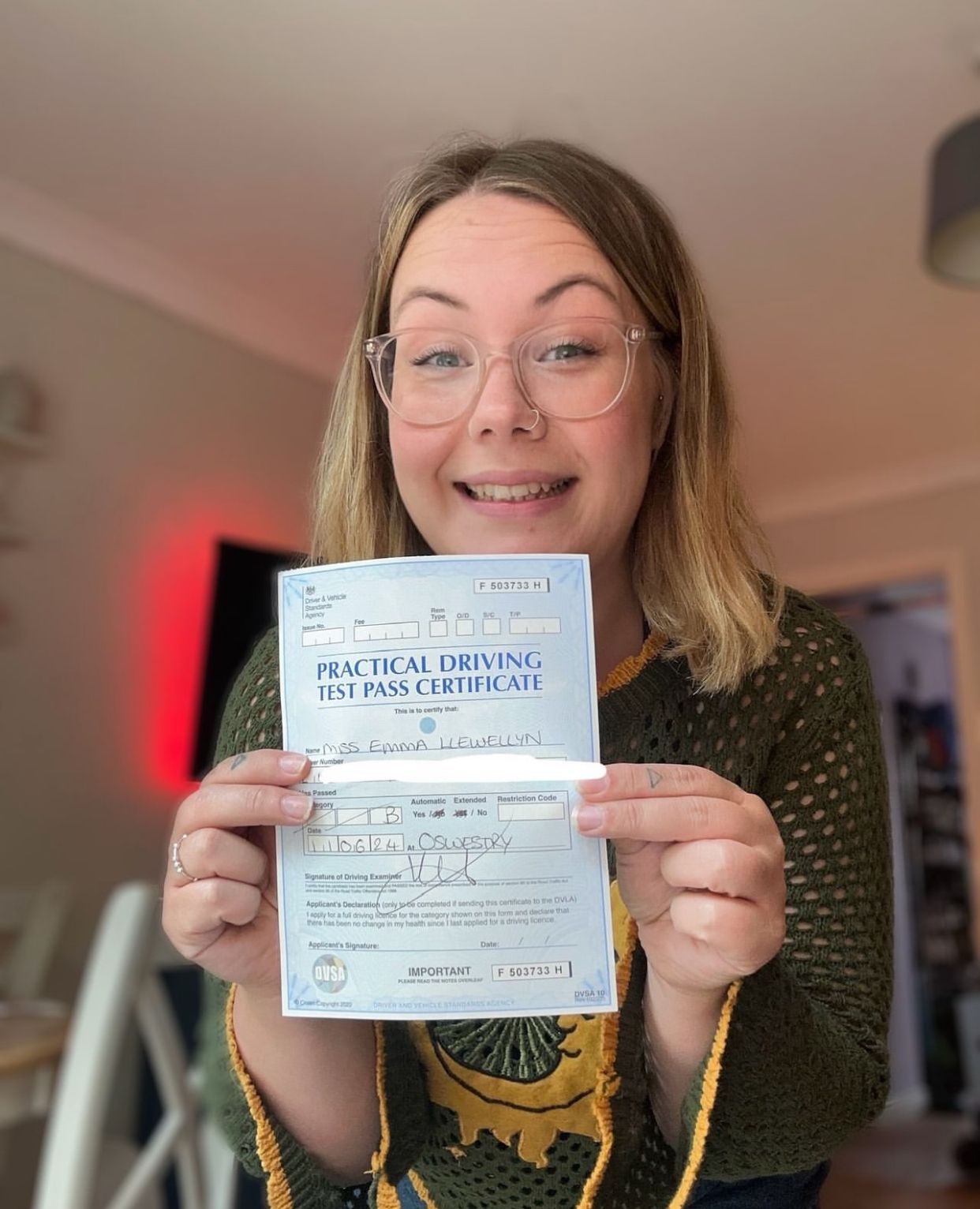
A Comprehensive Guide to Obtaining a Driver's License
Acquiring a driver's license is a crucial milestone for numerous people, marking the shift into their adult years and self-reliance. It is not just a vital step towards personal liberty however also a means to assist in movement for work, school, and leisure. This post provides a useful introduction of the process involved in obtaining a driver's license, including the requirements, actions to follow, and answers to often asked questions.
The Importance of a Driver's License
A driver's license serves multiple purposes, consisting of:
- Proof of Identity: A driver's license is often considered as among the most valid forms of recognition.
- Legal Authorization: It gives individuals consent to operate a motor automobile, making sure compliance with state and federal regulations.
- Insurance Necessity: Many auto insurance companies need drivers to have a legitimate license to acquire coverage.
- Convenience: A driver's license improves movement, allowing people to commute quickly without depending on mass transit.
Eligibility Requirements
Before embarking on the journey to get a driver's license, it is important to understand the eligibility criteria, which might differ somewhat from state to state. Usually, the list below requirements are typical:
- Age: Most states require applicants to be a minimum of 16 years old to request a learner's permit, with full licensing readily available by age 18.
- Residency: Applicants need to be citizens of the state in which they are applying.
- Understanding: Many states require prospective drivers to pass a composed understanding test covering traffic guidelines and regulations.
- Vision: A vision test is typically mandated to make sure that candidates can see effectively to operate a vehicle securely.
- Documents: Applicants should provide certain documents, such as proof of identity, residency, and sometimes social security number.
Essential Documents to Prepare
To help with the application process, people should collect the needed documents ahead of time. Frequently needed documents consist of:
- Proof of Identity: This may consist of a birth certificate, passport, or government-issued ID.
- Proof of Residency: An energy expense, lease arrangement, or bank statement may be enough.
- Social Security Number: It might be necessary to produce a Social Security card or a file showing the number.
- Parental Consent (if appropriate): For applicants under 18, a moms and dad or guardian's signature may be needed.
Actions to Obtain a Driver's License
The procedure of getting a driver's license can be broken down into several key actions:
Step 1: Obtain a Learner's Permit
- Get ready for and Take the Knowledge Test: Study your state's driver handbook to comprehend the rules of the roadway.
- Pass the Vision Exam: This ensures you fulfill the minimum vision standards.
- Complete the Application Form: Fill out the necessary paperwork either online or face to face.
Action 2: Practice Driving
- Monitored Driving: Most states require new drivers to log a specific variety of hours driving with a licensed grownup.
- Driving Skills: Focus on mastering important driving skills, such as parallel parking, highway merging, and complying with traffic signals.
Action 3: Schedule a Driving Test
- Select a Testing Location: Locate a DMV or authorized screening center that offers useful driving tests.
- Prepare for the Test: Review the skills needed for the driving test, which may include maneuvers, parallel parking, and safety checks.
Step 4: Take the Driving Test
- Get here Early: Being punctual assists alleviate any pre-test tension.
- Bring Necessary Documentation: Present your learner's authorization and any required files.
- Follow Instructions: Listen carefully to the inspector's directions and show your driving abilities with confidence.
Step 5: Pay Fees and Receive Your License
- Upon passing the driving test, individuals will usually be required to pay a licensing charge.
- In a lot of states, the main driver's license will be mailed or provided on the spot.
Maintaining Your License
When a driver's license is obtained, it is crucial for brand-new drivers to comply with traffic laws and policies regularly. Continued education and accountable driving practices will guarantee a safe driving experience and may even cause a decrease in insurance coverage premiums.
FAQs About Obtaining a Driver's License
1. What is the minimum age to get a student's permit?
A lot of states enable people to request a student's license at the age of 15 or 16, depending on particular state laws.
2. Can I get a driver's license without a learner's license?
No, in most states, a student's license is a requirement for a full driver's license, allowing brand-new drivers to practice under supervision.
3. The length of time is a driver's license valid?
Driver's licenses normally remain legitimate for 4 to 8 years, depending on the state. Jaydon Sims might vary.
4. What takes place if I fail the driving test?
If you stop working the driving test, you are usually allowed to reschedule for another attempt after a predetermined waiting duration. Ensure to evaluate feedback from the inspector to enhance your skills.
5. Do I require insurance coverage to get a driver's license?
While insurance is not constantly a requirement to obtain a license, it is obligatory to have car insurance before driving legally on public roadways.
Obtaining a driver's license is a significant accomplishment that involves a series of steps and compliance with state guidelines. By understanding the requirements, preparing properly, and practicing properly, people can navigate the process efficiently and take pleasure in the newfound freedom that features being a licensed driver. Whether it is commuting to work or starting a journey, a driver's license opens doors to many chances and experiences.